
The Bright Years
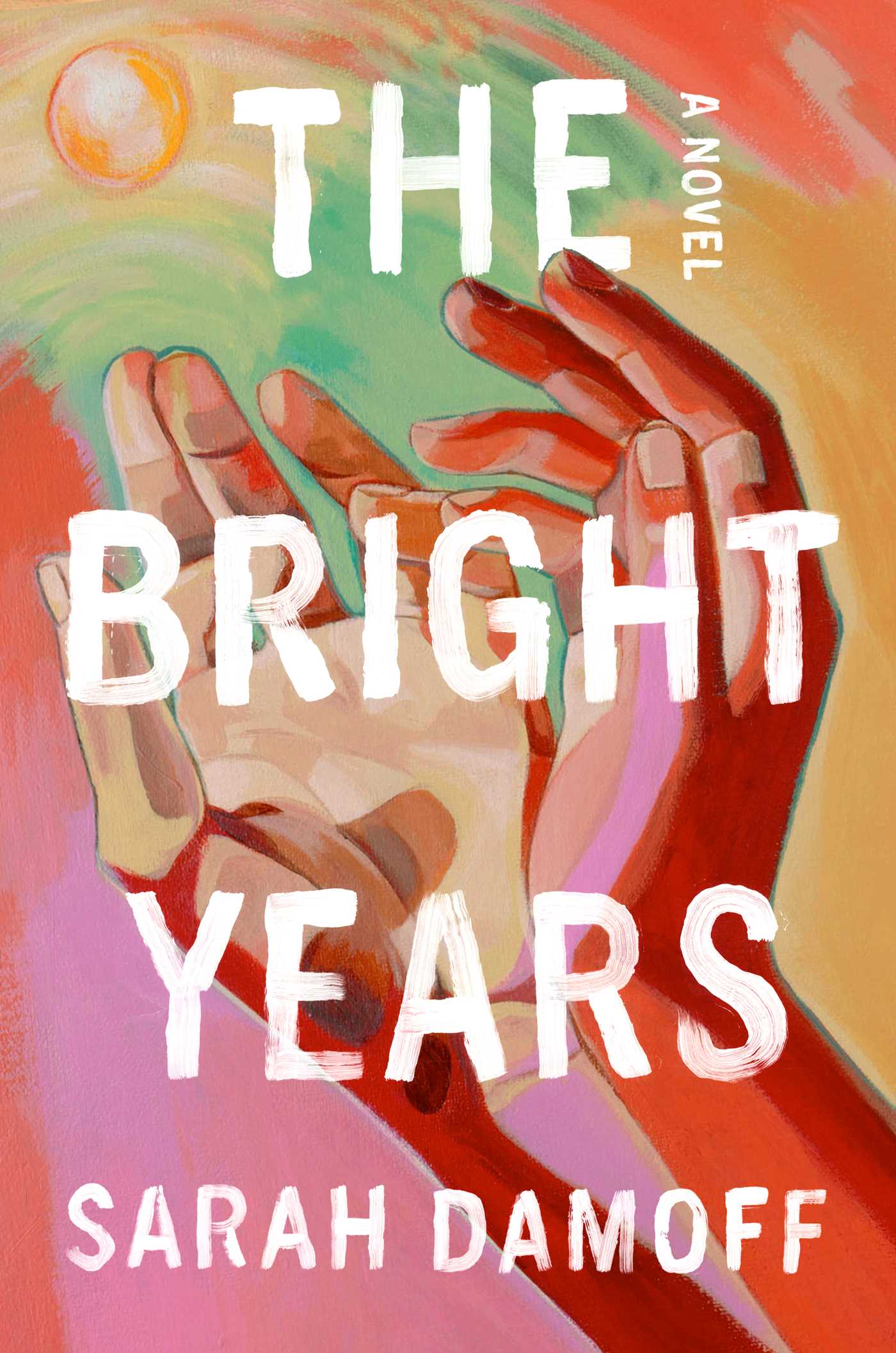
The Bright Years
By Sarah Damoff
Genre: Historical Fiction / Family Saga / Literary Fiction
Publication Year: 2025
My Rating: ★★★★★ (5/5)
The Families We Inherit and the Families We Become
Every family has secrets.
Some are spoken aloud in whispers.
Others remain buried so deeply that generations grow up in the shadows they cast.
In The Bright Years, Sarah Damoff explores the complicated terrain of love, addiction, loss, forgiveness, and family legacy with remarkable tenderness. What begins as the story of a young marriage gradually unfolds into a multi-generational portrait of how one person's choices ripple through the lives of those who come after.
At its heart, this is not a novel about dramatic revelations.
It is a novel about consequences.
About the quiet ways people hurt each other.
And the equally powerful ways they try to heal.
Damoff understands that families are rarely defined by a single moment. They are built through thousands of decisions, acts of grace, disappointments, reunions, and attempts to begin again.
The result is a debut novel that feels both intimate and expansive.
A Family Bound by Love and Fracture
The story centers on Ryan and Lillian Bright, a young couple deeply in love as they begin building a life together and raising their daughter, Georgette.
Yet from the start, their marriage rests upon hidden truths.
Lillian carries the secret of a son she left behind.
Ryan conceals a growing dependence on alcohol.
Neither secret remains contained.
As Georgette comes of age, she witnesses the gradual unraveling of the family she loves. The damage is not immediate.
It accumulates.
Over time.
Through choices made, truths withheld, and wounds left untreated.
Years later, when Lillian's long-lost son reenters the picture, Georgette is forced to revisit a family history she has spent much of her life trying to escape.
What follows is less a search for answers than a search for understanding.
One of the novel's greatest strengths is its refusal to create villains.
Even when characters make painful mistakes, Damoff approaches them with empathy rather than judgment.
Everyone is carrying something.
Everyone is trying, however imperfectly, to survive.
The family drama provides the structure.
The humanity provides the power.
A Public Health Perspective: Addiction as a Family Disease
From a public health perspective, The Bright Years offers one of the more thoughtful portrayals of addiction and its ripple effects that I have encountered in contemporary fiction.
Modern public health recognizes that substance use disorders rarely affect only the individual. Addiction impacts entire family systems, shaping relationships, communication patterns, emotional development, and long-term well-being.
Damoff captures this reality exceptionally well.
Ryan's alcoholism is not presented as a moral failing nor as a simple obstacle to overcome. Instead, it becomes part of the family's lived experience, influencing each member in different ways.
The novel illustrates how children often absorb the consequences of addiction even when adults attempt to shield them.
It also demonstrates how secrecy can become its own form of burden.
Equally important is the novel's understanding of recovery and resilience. Healing does not arrive through a single breakthrough moment. Rather, it emerges gradually through honesty, accountability, forgiveness, and connection.
As someone with a public health background, I appreciated the novel's nuanced recognition that addiction is both deeply personal and profoundly relational.
Looking Through an Analytic Lens
What impressed me most about The Bright Years is Damoff's understanding of generational influence.
The novel demonstrates how family histories continue shaping people long after specific events have passed. Secrets become legacies. Silences become inheritances. Choices made by one generation can echo into the next in unexpected ways.
The multi-perspective structure is particularly effective.
By allowing readers access to different viewpoints, Damoff creates a fuller picture of the family's emotional landscape. Individual experiences that initially seem isolated gradually reveal themselves as interconnected parts of a larger whole.
The narrative also examines the tension between memory and reality.
Family members often remember the same events differently.
Each carries a version of the past.
Each interpretation contains its own truth.
This complexity gives the novel much of its emotional authenticity.
Life rarely provides a single, definitive narrative.
Neither does The Bright Years.
Instead, it asks readers to hold multiple perspectives simultaneously.
Reading This Novel as a Woman in Midlife
Some novels resonate because of their plot.
Others resonate because they understand how families actually work.
The Bright Years belongs firmly in the second category.
As a woman in midlife, I found myself deeply moved by the book's exploration of forgiveness.
Not easy forgiveness.
Not convenient forgiveness.
But the difficult kind that requires acknowledging pain while still choosing connection.
Many of the novel's characters reach a point where they must decide whether they will allow old wounds to define their future.
That question feels increasingly meaningful with age.
How much of our family history do we carry?
How much do we release?
Can understanding create healing even when it cannot change the past?
These are profoundly adult questions.
Damoff approaches them with extraordinary compassion.
I was especially moved by Georgette's journey. Like many adult children, she must navigate the uncomfortable realization that parents are neither heroes nor villains.
They are simply people.
Flawed.
Complicated.
Doing the best they can with what they have.
Reading this novel often felt less like observing a fictional family and more like listening to stories shared across generations around a kitchen table.
There is something quietly powerful about that.
Strengths and Limitations
The novel's greatest strength is its emotional authenticity.
Damoff creates characters who feel startlingly real, allowing readers to recognize pieces of themselves and their own families within the story. The relationships are complex, imperfect, and deeply believable.
The treatment of addiction is particularly effective. Rather than reducing the issue to a plot device, Damoff explores its broader impact on parents, children, and family dynamics with sensitivity and realism.
The prose is another notable strength. The writing is elegant and understated, allowing emotional moments to emerge naturally rather than forcing them.
Some readers expecting dramatic twists or fast-paced plotting may find the novel quieter than anticipated. The story prioritizes character development and emotional insight over external action.
For me, that restraint was one of its greatest virtues.
The emotional truths carry more weight than any dramatic revelation could.
Final Thoughts
The Bright Years is a deeply moving family saga that explores love, addiction, grief, identity, and the enduring bonds that connect generations.
Sarah Damoff's debut is both intimate and expansive, examining how families fracture, how they endure, and how they sometimes find their way back to one another. Through richly drawn characters and emotionally honest storytelling, she creates a novel that feels profoundly human.
Readers who enjoy character-driven literary fiction, multi-generational family stories, and emotionally resonant explorations of relationships will find much to admire here. Book clubs, in particular, will have no shortage of themes to discuss, from addiction and forgiveness to family secrets and inherited trauma.
What lingered with me after finishing was not any single revelation.
It was the novel's understanding that families are rarely defined by their worst moments.
They are defined by what happens afterward.
The attempts to repair.
The decision to return.
The willingness to love imperfectly.
The Bright Years reminds us that even damaged families can remain connected by something stronger than their mistakes.
And sometimes the brightest years are not the ones without suffering.
They are the ones in which we finally learn how to forgive.
Rating: ★★★★★ (5/5)


Comments
Post a Comment