
Noise: A Flaw in Human Judgment raises an uncomfortable question: How often does a decision depend on who makes it—or when they make it—rather than on the facts?
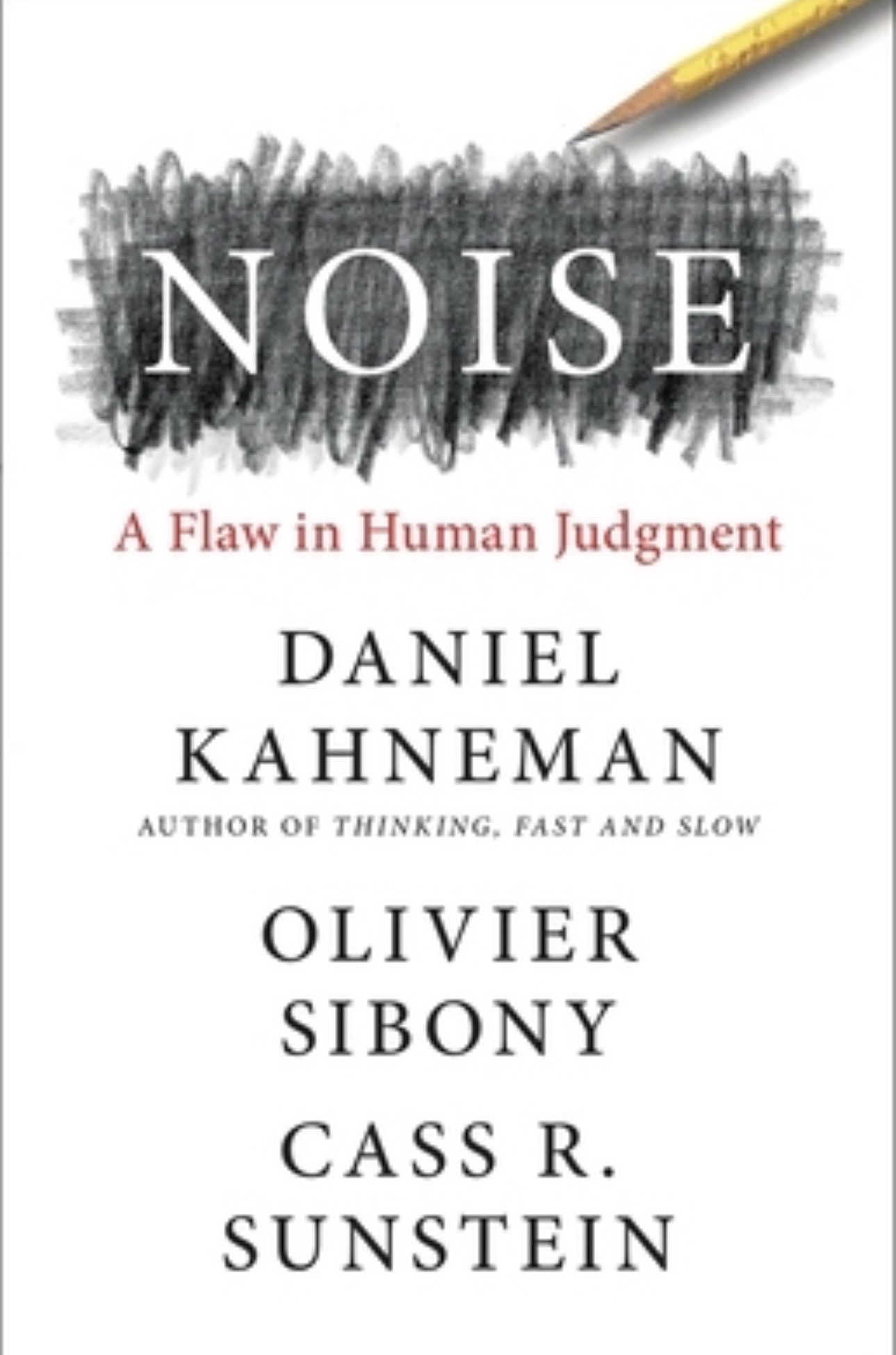
Daniel Kahneman, Olivier Sibony, and Cass R. Sunstein explore the consequences of inconsistent judgment. Two professionals can review the same information and reach very different conclusions, even when both are experienced and well intentioned. When those decisions affect someone’s health, livelihood, or treatment under the law, that variability deserves attention.
From a public health and environmental health perspective, the examples involving food inspections are especially relevant. Consistency matters for public protection, fairness to businesses, and trust in the people enforcing standards. The book invites readers to consider whether differences in professional judgment reflect meaningful circumstances or inconsistencies that should be addressed.
One of its strongest ideas is that expertise does not automatically guarantee reliability. That has implications for leadership, too. Training people and trusting their experience are essential, but leaders also need to examine how decisions are made and whether similar situations receive comparable treatment.
The subject matter is demanding, and readers looking for a quick, conversational book may find the detailed explanations slow at times. Still, the central question is compelling enough to make the effort worthwhile: How can we make decisions more dependable when human judgment is inherently imperfect?
I would recommend Noise to readers interested in public service, leadership, psychology, and organizational decision-making. It offers a useful reason to pause before accepting “that’s my professional judgment” as the end of a conversation. Confidence carries weight, but consistency deserves scrutiny.
.HEIC)

.jpg)
Comments
Post a Comment